
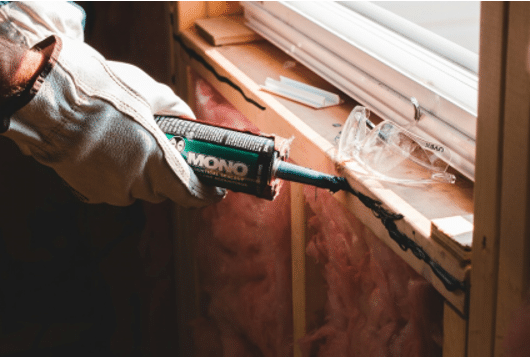
Home renovations can be both exciting and daunting. The thrill of transforming a space to better reflect personal tastes or improve functionality is often tempered by the stress of planning, budgeting, and overseeing the work. When handled poorly, even minor renovations can spiral into overwhelming, expensive, and time-consuming ordeals. From mismatched contractor expectations to project delays and unforeseen issues behind walls or under floors, it’s easy to feel lost in a sea of chaos.
This is especially true in areas like Tulsa, Oklahoma, where varying home styles and aging infrastructure can introduce unique challenges during renovation. The key to a smooth renovation journey lies in preparation, clear communication, realistic budgeting, and strategic decision-making. Understanding common pitfalls and developing a well-structured renovation plan can make the entire process not just bearable but rewarding.
Focusing on Bathrooms: Where Small Changes Have Big Impact
One of the most common starting points for homeowners embarking on renovation projects is the bathroom. These compact but high-traffic spaces offer excellent returns on investment and can dramatically improve daily life. A functional, clean, and updated bathroom adds both value and comfort to a home.
Before beginning, evaluate the bathroom’s current layout, plumbing, lighting, and storage options. Consider how the space is used, and think about small adjustments that can have a large effect, such as repositioning a vanity or updating a tile for a more modern look. If the vision includes significant structural or design changes, get in touch with a local Tulsa bathroom remodeling company to discuss your ideas and get estimates. Doing this early in the planning phase ensures that the project scope is realistic and aligned with available resources.
Proper waterproofing, ventilation, and material selection are essential in bathrooms due to the constant presence of moisture. Using durable materials and ensuring professional installation can prevent long-term problems like mold, leaks, or damaged surfaces. Take the time to choose fixtures and finishes that balance function, aesthetics, and maintenance needs. Even in a small space, thoughtful decisions can deliver impressive results.
Start with a Realistic Budget and Timeline
Every successful renovation begins with a clear budget and timeline. Before knocking down walls or purchasing materials, calculate how much is affordable to spend and create a buffer for unexpected costs. A common recommendation is to allocate an additional 10-20% beyond the base estimate to cover surprises that may arise during demolition or construction.
Break down the budget into specific categories—labor, materials, fixtures, permits, and contingencies. This makes it easier to track spending and make informed choices about where to save or splurge. For example, investing in high-quality insulation or durable flooring can yield long-term benefits, while opting for mid-range lighting fixtures may help stay within budget.
Timelines should be flexible but realistic. Delays are often inevitable due to weather, supply chain issues, or changes in project scope. To avoid stress, build in extra time and be transparent with contractors about expectations. Set milestone dates for each phase—demolition, rough-in work, finishes, and inspections—to monitor progress and stay on track.
Choose the Right Contractors
Finding reliable, skilled contractors is one of the most critical steps in the renovation process. Start by asking for referrals from trusted friends or checking online reviews. Interview multiple professionals before making a decision and request detailed bids outlining costs, materials, and estimated timelines.
Ensure any contractor under consideration is licensed, insured, and familiar with local building codes. Ask for examples of previous work and speak with past clients to get a clear understanding of their strengths and reliability. Communication is equally important. Choose a contractor who listens, responds promptly, and is willing to collaborate on solutions rather than pushing a one-size-fits-all approach.
Contracts should be clear and comprehensive. Outline payment terms, project scope, timeline, and procedures for handling unexpected issues. Avoid handshake deals or vague agreements—written documentation protects both parties and minimizes misunderstandings.
Prioritize Function Over Flash
During the planning phase, it’s easy to get swept up in aesthetic inspiration from design magazines or social media. While visual appeal matters, function should always come first. A beautiful kitchen that lacks storage or a trendy open floor plan with no privacy can become a source of daily frustration.
List priorities for each room: Is it more important to have energy-efficient appliances or marble countertops? Would built-in storage be more useful than a decorative chandelier? These questions help allocate budget and design efforts to elements that will improve usability and satisfaction over time.
Also, consider how each space connects with others. Changing the flooring in one room may affect transitions to adjacent areas. Updating one bathroom might lead to the desire for consistency throughout the home. Make decisions holistically to avoid a patchwork look and unnecessary future renovations.
Stay Involved Without Micromanaging
Renovation projects often stretch over weeks or even months, requiring homeowners to strike a balance between involvement and overstepping. Being too hands-off may lead to disappointing outcomes, while constant oversight can strain relationships with contractors and slow down progress.
Schedule regular check-ins to review progress, ask questions, and address any concerns. Take photos to document stages, especially hidden work like electrical wiring or plumbing that will later be covered. Be respectful of the professionals’ time and methods, but don’t hesitate to clarify or reinforce expectations when necessary.
If issues arise, handle them promptly and professionally. Delays in decision-making or unclear communication can cause bottlenecks. A proactive, solution-oriented attitude helps maintain momentum and ensures the final result aligns with the original vision.
Don’t Ignore Permits and Regulations
Renovations often involve more than aesthetics—they may touch on structural changes, plumbing, or electrical systems. This means obtaining permits and ensuring compliance with local regulations. Ignoring these requirements can lead to fines, delays, or even forced removal of completed work.
Check with local authorities to determine what permits are needed. Many municipalities offer guidelines online or through their building departments. When working with contractors, confirm that they are securing the appropriate permits and scheduling necessary inspections. This step may seem bureaucratic, but it safeguards against future liabilities and ensures the work meets safety standards.
Failing to follow regulations can also complicate future property sales, as buyers and inspectors often request proof of permitted renovations. Doing things by the book from the start saves time, money, and hassle down the road.
Expect the Unexpected
Even the best-laid plans can face unforeseen challenges. Hidden water damage, outdated wiring, or structural issues uncovered during demolition can derail schedules and increase costs. While frustrating, these surprises are part of the process.
The most effective way to manage them is to remain flexible and focus on problem-solving. Rely on the expertise of contractors to recommend solutions and trust the renovation plan’s contingency budget to cushion the impact. Maintaining a calm, adaptable mindset ensures smoother navigation through temporary setbacks.
Renovating a home is rarely stress-free, but with careful planning, clear communication, and thoughtful decision-making, it doesn’t have to be overwhelming. From focusing on high-impact areas like the bathroom to choosing reliable contractors and staying flexible during surprises, every step plays a role in creating a successful renovation experience.
Check Out Our Related DIY Posts
- DIY Home Improvement Projects for a Sustainable Parenting Journey
- Tips to Power Washing A House
- How to Clean A Deck
- Like
- Digg
- Del
- Tumblr
- VKontakte
- Buffer
- Love
- Odnoklassniki
- Meneame
- Blogger
- Amazon
- Yahoo Mail
- Gmail
- AOL
- Newsvine
- HackerNews
- Evernote
- MySpace
- Mail.ru
- Viadeo
- Line
- Comments
- Yummly
- Send in Text
- Viber
- Telegram
- Subscribe
- Skype
- Messenger
- Kakao
- LiveJournal
- Yammer
- Edgar
- Fintel
- Mix
- Instapaper
- Copy Link