

Parenting is a beautiful and transformative journey, but it often comes with a lot of waste. From excessive energy consumption to plastic-based furnishings and synthetic materials, many home-related choices impact both the environment and your child’s health.
Fortunately, embracing an eco-friendly approach through DIY home improvement projects can reduce waste and save money. It also helps create a healthier home for your little one.
Here are some practical and sustainable DIY ideas to incorporate into your parenting routine.
Eco-Friendly Nursery Makeover

Creating a baby-friendly space doesn’t have to mean purchasing all-new furniture and décor. Instead, consider repurposing existing furniture with non-toxic, low-VOC paints and finishes. Cribs, dressers, and rocking chairs can all be refreshed with sustainable materials. Additionally, bamboo or reclaimed wood furniture should be opted for to reduce environmental impact.
Equally important is choosing a safe, eco-friendly mattress. According to the Environmental Working Group (EWG), traditional mattresses can release nearly 30 types of volatile organic compounds (VOCs). They may also emit harmful substances like phthalates and synthetic fragrances, which can interfere with hormone function.
Selecting an organic, non-toxic mattress made from natural materials creates a safer sleep space for your little one. Options like organic cotton, wool, or natural latex help reduce exposure to harmful chemicals.
Energy-Efficient Lighting and Insulation

Babies require a lot of nighttime attention, meaning lights and heating are used more often than usual. Switching to LED bulbs can reduce electricity consumption by up to 75%.
Additionally, well-insulated windows help maintain a comfortable nursery temperature year-round. The Department of Energy notes that properly fitted cellular shades can reduce heat loss by up to 40% in winter. In summer, they can block up to 60% of unwanted solar heat.
Pairing these with thermal curtains and eco-friendly insulation materials can lower energy bills while keeping your baby’s space cozy and efficient.
DIY Non-Toxic Wall Paint and Decor
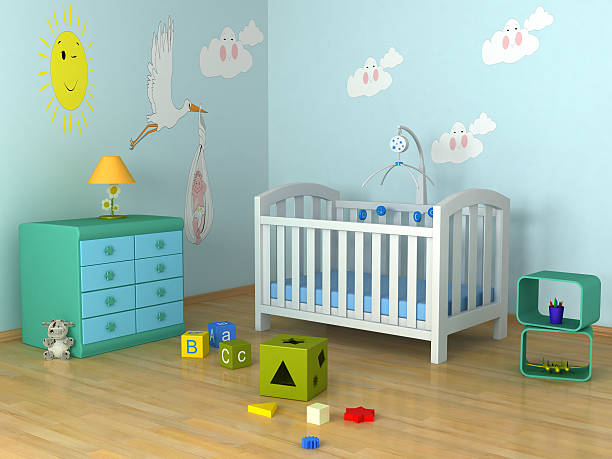
Many conventional wall paints release harmful volatile organic compounds (VOCs) that can lower indoor air quality. According to WebMD, exposure to these chemicals may cause headaches, dizziness, or nausea. Additionally, prolonged contact with high levels of VOCs has been linked to serious health risks, including liver and kidney damage.
To create a healthier nursery, opt for non-toxic, water-based paints that are free from harsh chemicals. Add personality to the space with nature-inspired murals or hand-painted designs using safe, eco-friendly pigments.
For decor, get creative with DIY wall art using upcycled materials like reclaimed wood or fabric banners. This adds both charm and sustainability to your baby’s room.
Plastic-Free Home with DIY Alternatives

Plastic is one of the biggest environmental pollutants. Many plastic products contain harmful chemicals like BPA and phthalates, which can affect a baby’s health.
Instead of plastic toys, consider making wooden or fabric toys at home. Simple DIY projects like wooden stacking rings, crocheted stuffed animals, or felt activity boards can provide safe, durable, and creative play options.
For storage, replace plastic bins with handmade fabric baskets or repurposed wooden crates. Even food storage and feeders can be more eco-friendly by using glass jars, beeswax wraps, and stainless steel containers instead of plastic.
Regarding feeding, it’s also important to be aware of toxic baby foods. Many foods contain harmful elements, and even baby formula can be unsafe. The Enfamil lawsuit has brought attention to concerns over certain cows’ milk-based formulas linked to necrotizing enterocolitis (NEC) in premature infants
NEC is a serious condition that causes inflammation and tissue death in the intestines, posing severe health risks to babies.
Parents should be just as concerned about these issues beyond the home, ensuring that childcare centers and hospitals prioritize safer feeding options. As a healthier alternative, breast milk remains the safest and most natural option, TorHoerman Law notes. It reduces exposure to harmful additives found in some formulas.
DIY Indoor Air Purification

Ensuring clean indoor air is crucial for a baby’s developing lungs and overall well-being. The National Library of Medicine research suggests that exposure to air pollution before and after birth may impact neurological development. It may also impact cognitive function and raise the risk of behavioral disorders like ADHD and autism spectrum disorder.
To promote a healthier nursery, incorporate houseplants like aloe vera, spider plants, or peace lilies, which help naturally purify the air. Additionally, homemade air purifiers with activated charcoal and essential oils can help maintain a fresh, chemical-free environment.
Homemade Baby-Safe Cleaning Products

Babies explore the world by touching and tasting everything, making it essential to keep your home clean without exposing them to harmful chemicals. You can create a basic DIY all-purpose cleaner by combining equal parts water and vinegar with a few drops of lemon essential oil.
This eco-friendly cleaner is safe for surfaces your baby interacts with, such as high chairs, toys, and play mats.
FAQs
1. How can I ensure that upcycled furniture is safe for my baby?
When repurposing furniture, check for lead-based paint (especially in older pieces), sand down rough edges, and use baby-safe, non-toxic finishes. Choosing natural sealants like beeswax polish or food-grade mineral oil ensures that the furniture remains safe for your baby and you.
2. Are there any risks to using homemade baby-safe cleaning products?
Natural DIY cleaning products, such as those made with vinegar, baking soda, and lemon essential oil, are typically safe to use. However, vinegar can damage stone countertops, and essential oils should be properly diluted before application. It’s also best to patch-test surfaces before using a homemade cleaner to avoid damage.
3. How can I make my baby’s play area more sustainable?
Use non-toxic, washable rugs made from natural fibers instead of synthetic carpets. Opt for secondhand or sustainably made wooden play gyms. For soft play mats, repurpose thick organic cotton blankets instead of buying foam mats, which may contain chemicals like formaldehyde.
Overall, embracing eco-friendly DIY home improvement projects as a parent is a rewarding way to reduce waste and save money. It also helps create a healthier home for your baby. Whether it’s making homemade baby food, upcycling furniture, or improving indoor air quality, small changes can have a big impact
As parents seek safer and greener alternatives, staying informed about baby products is essential. This includes understanding concerns surrounding commercial formulas and their potential risks. Every step towards sustainability helps build a better future for your child and the planet.
Check Out Our Related DIY Posts
- Like
- Digg
- Del
- Tumblr
- VKontakte
- Buffer
- Love
- Odnoklassniki
- Meneame
- Blogger
- Amazon
- Yahoo Mail
- Gmail
- AOL
- Newsvine
- HackerNews
- Evernote
- MySpace
- Mail.ru
- Viadeo
- Line
- Comments
- Yummly
- Send in Text
- Viber
- Telegram
- Subscribe
- Skype
- Messenger
- Kakao
- LiveJournal
- Yammer
- Edgar
- Fintel
- Mix
- Instapaper
- Copy Link
This article is spot-on! Repurposing furniture is a brilliant idea. I once turned an old dresser into a cool play table for my kid. And bamboo furniture? Sounds great. But how do you ensure the non-toxic paints are really safe? Any tips on finding the best eco-friendly mattress?
Love the eco-friendly nursery ideas! Repurposing furniture is so smart. I once turned an old dresser into a cool kids’ storage. What’s your favorite DIY nursery project?
This is some great advice! I love the idea of repurposing furniture for the nursery. It’s not only eco-friendly but also a fun DIY project. Have you tried any of these ideas?
Love these DIY ideas! Repurposing furniture is so smart. I once turned an old dresser into a cool kids’ bookshelf. What’s your favorite sustainable material for a nursery makeover?