

Hawaiian cuisine is a vibrant blend of native traditions, Polynesian
and Asian influences. The island table brings together ingredients such as taro, sweet potato, fish, coconut and
vegetables with flavors of soy sauce, sesame oil and ginger. In 2024, Hawaii produced over 4.15 million pounds of sweet potatoes, making them the top volume-producing vegetable in the state.
The local vegetable and melon production totaled about 51.9 million pounds last year, up 16% from 2022. To recreate healthy Hawaiian recipes at home, you will want to focus on freshness, color and natural balance. Cooking in this style allows you to capture the spirit of aloha while creating meals that are nourishing and easy to prepare. You do not need to live in Honolulu to taste the islands; quite simply, several techniques and ingredient choices will help you bring the flavors into your own kitchen.
Grains, Proteins and Vegetables
Every Hawaiian plate begins with a bedrock of whole foods. For example, taro is a native staple, often eaten as poi, but if you cannot find it, you can substitute mashed sweet potato or breadfruit.
A colorful rice dish is also common; luau rice made with coconut oil, pineapple, scallions and toasted macadamia nuts is an ideal example of a healthy island side. Fish is also vital, with ahi tuna and ono among the most prized options, although chicken and shrimp are also widespread.
Fresh poke is another fundamental dish, typically made by tossing raw tuna with soy sauce, sesame oil, green onions, roasted nuts, seaweed and chili flakes.
For vegetables, you should look for those that respond well to quick cooking (such as bok choy, onions or bell peppers), which retain their bright color and texture when lightly charred.
Master the Marinades, Dressings and Glazes

Much of the distinctive taste of Hawaiian cooking comes from marinades and sauces rather than heavy seasonings. As examples, huli-huli chicken is a classic with its glaze of pineapple juice, soy, garlic, ginger (and just a touch of sweetness), becoming famous worldwide.
When making your own versions, you might want to replace refined sugar with honey or coconut sugar to keep things lighter. Freshly grated ginger or garlic can give dishes a sharper, livelier flavor that powdered versions cannot match.
Brightness is another hallmark, with small splashes of lime or rice vinegar making a considerable difference. If you want to experiment, try adding li hing mui powder (the salty dried plum seasoning widely used in Hawaii) to add a tangy, sweet-salty twist. It pairs beautifully with fresh fruit or sprinkled over grilled pineapple.
As a no.1 dish in many cooking lists, Hawaiian chicken thighs marinated in pineapple juice, coconut aminos, garlic and ginger are now a “go-to” for many health-minded home cooks.
Overall, keeping sauces balanced means you can highlight natural flavors rather than cover them.
Embrace Grilling, Quick Cooking and Minimal Processing
Hawaiian recipes often rely on simple, direct methods that emphasize the natural qualities of ingredients. Grilling is particularly popular, as it locks in moisture while giving smoky character. Think of chicken glazed with pineapple marinade, vegetables seared over high heat or fresh pineapple slices caramelized on the grates.
If you do not have access to an outdoor grill, a cast-iron pan or even an oven broiler can achieve similar results.
Pan-seared shrimp with garlic and a small amount of butter provides a lighter take on the famous Hawaiian shrimp trucks. Cooking times should be short, keeping fish tender and vegetables crisp. When you are aiming for healthier meals, avoid heavy breading and deep frying. Instead, let natural textures come through and use seasoning blends to give depth.
Ultimately, Hawaiian cooking has always been about respect for ingredients, with this approach carrying well into modern kitchens.
Add Signature Sides and Desserts with a Healthy Twist
No Hawaiian meal is complete without a thoughtful side or a sweet bite at the end. Rice dishes (such as luau rice) are versatile, working with nearly any protein. Meanwhile, poi or mashed taro also makes a nutritious side, though mashed sweet potato is a practical substitute if taro is unavailable in
Got a sweet tooth?
On the dessert side, butter mochi continues to be a favorite across Hawaii, offering a chewy texture from glutinous rice flour and coconut milk.
If you would like something lighter, fresh
is an excellent option: pineapple, mango and papaya taste best when lightly chilled and finished with lime juice or a sprinkle of toasted coconut.
Traditional kūlolo, a pudding made from grated taro and coconut milk, is another authentic sweet that has been given healthier updates in modern recipes with less sugar.
You have flexibility here, where using fruit gives you a naturally refreshing finish.
Ingredients, Substitutions and Presentation
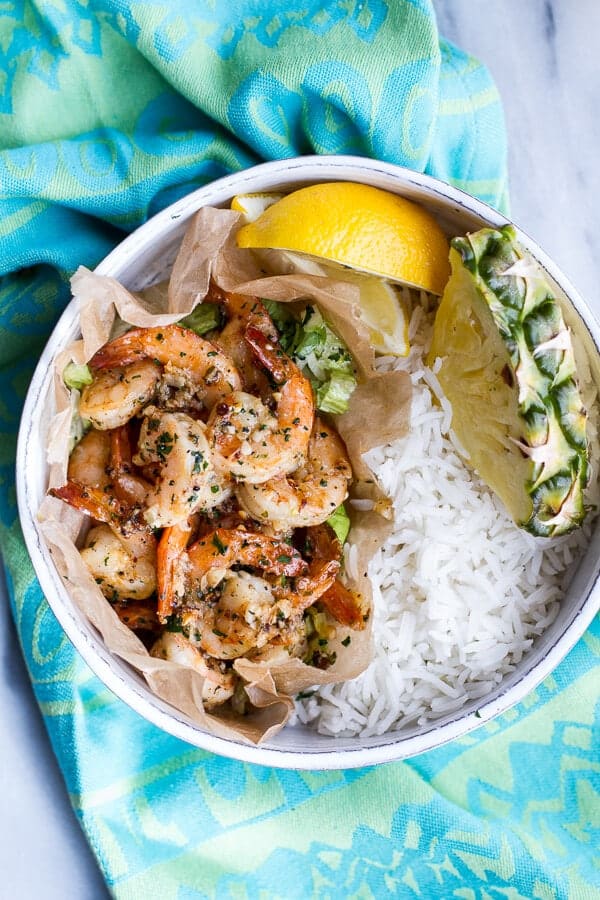
Cooking Hawaiian food at home does not mean you must have access to every island ingredient. In illustration, sushi-grade tuna can often be found at larger fish counters, while pineapple is widely available fresh or packed in its own juice.
Equally, coconut aminos or tamari are reliable substitutes for soy sauce when you want a lower-sodium option. If a recipe calls for candlenut, macadamia nuts can stand in while still giving a distinctive crunch.
Pay attention to marinating times when pineapple juice is involved, as
bromelain enzyme tenderizes meat quickly; two hours is usually the limit. Presentation also matters in Hawaiian cooking, so take time to arrange colorful vegetables, grains and proteins together on a plate or in a bowl.
A sprinkle of scallions, sesame seeds or toasted coconut brings an extra layer of freshness.
As a general rule of thumb? Building meals with
and balance will help you recreate the island
at home.
Key Takeaways
Recreating Hawaiian recipes at home is about capturing freshness, balance and the aloha spirit through food. When you mix lean proteins with tropical fruit, bright marinades, colorful vegetables and simple cooking techniques, you get meals that feel satisfying but light.
You can take inspiration from the poke bowl, the grilled chicken plate or the rice side dish and adapt them to what is available in your area.
The result will be a taste of Hawaii that fits neatly into your everyday cooking, giving you a chance to eat well and bring a little island warmth into your own kitchen.
Check Out Our Other Related Recipes
- Like
- Digg
- Del
- Tumblr
- VKontakte
- Buffer
- Love
- Odnoklassniki
- Meneame
- Blogger
- Amazon
- Yahoo Mail
- Gmail
- AOL
- Newsvine
- HackerNews
- Evernote
- MySpace
- Mail.ru
- Viadeo
- Line
- Comments
- Yummly
- Send in Text
- Viber
- Telegram
- Subscribe
- Skype
- Messenger
- Kakao
- LiveJournal
- Yammer
- Edgar
- Fintel
- Mix
- Instapaper
- Copy Link