

Wagyu beef has achieved a near-mythical status among gourmands and chefs around the world, and for good reason. Known for its intricate marbling and melt-in-the-mouth texture, Wagyu is more than just a premium protein; it represents a culinary experience that bridges culture, tradition, and science. Its rising demand across markets from Tokyo to New York reflects both a fascination with its rarity and an appreciation of its distinct sensory qualities. Unlike conventional beef, Wagyu is prized as much for the story behind its production as for its flavor on the plate.
The heritage of Wagyu can be traced back centuries in Japan, where selective breeding practices created cattle uniquely suited for producing abundant intramuscular fat. These practices were once localized to specific regions, such as Kobe and Matsusaka, but have since expanded globally, spawning Wagyu herds in Australia, the United States, and beyond. Yet, despite geographic dispersal, authentic Japanese Wagyu remains a benchmark for quality, commanding extraordinary prices and reverence among connoisseurs.
This global appetite has created new opportunities and challenges. As demand expands, conversations increasingly focus on authenticity, sustainable practices, and consumer access. These debates ensure that Wagyu continues to be more than a simple commodity; it remains a symbol of craftsmanship and a subject of fascination for both industry insiders and passionate diners.
The Science Behind Marbling
The defining feature of Wagyu beef is its marbling: thin, delicate streaks of intramuscular fat that weave through lean muscle fibers. Unlike external fat, which often renders chewy or heavy, this intramuscular fat has a low melting point. It liquefies almost instantly when exposed to heat, bathing the surrounding muscle in a rich, buttery flavor. This phenomenon is not simply visual indulgence, it is the structural basis of Wagyu’s reputation for tenderness and depth of taste.
Scientists studying Wagyu have highlighted the genetic underpinnings of its unique fat distribution. Wagyu cattle exhibit a higher propensity for monounsaturated fats, particularly oleic acid, compared with other breeds. This composition not only enhances flavor but also contributes to a perception of lighter eating, as the fat melts more seamlessly on the palate. Nutritionists often note that these fats resemble the profile of olive oil, which adds an intriguing dimension to Wagyu’s health considerations.
Consumer access to this science-backed delicacy is expanding as premium retailers bring it to market. Destination Wagyu, for example, has made it possible for enthusiasts across the United States to experience authentic cuts at home. Through its platform, anyone can order premium Wagyu beef online, selecting cuts that showcase marbling’s role in flavor while bridging the gap between genetic science and culinary enjoyment. This accessibility represents a new chapter in Wagyu appreciation, where discerning buyers can explore its flavor spectrum directly from trusted sources.
From Lean Cuts to Lush Indulgence
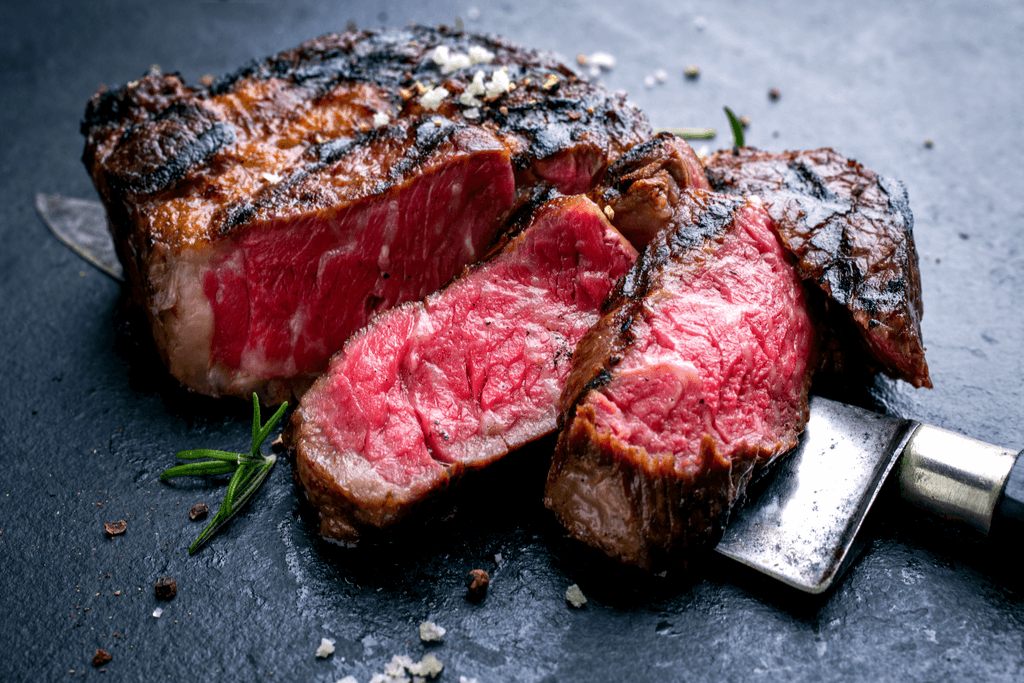
Wagyu’s versatility is often overlooked, with many assuming it is only about indulgently fatty cuts. While the highest grades indeed feature spectacular marbling, Wagyu also encompasses leaner cuts that offer subtler expressions of flavor. Lean Wagyu cuts such as round or shank highlight the beef’s umami richness without overwhelming the palate, making them ideal for slow braises or broths. These cuts illustrate that Wagyu is not a monolith but a spectrum of culinary experiences.
In the middle of the spectrum lies balance, represented by cuts like striploin or ribeye. These cuts provide both robust meatiness and generous marbling, offering a quintessential Wagyu experience that is simultaneously hearty and decadent. The richness of the fat melds harmoniously with the chew of the muscle, creating an interplay of textures. This middle ground often appeals to diners who want to taste the signature Wagyu lushness without it dominating every bite.
At the far end of the spectrum are cuts like the A5 tenderloin or highly marbled rib cap, which can feel almost indulgent to the point of opulence. These cuts demand careful preparation and portioning to avoid palate fatigue. In small quantities, however, they deliver an unparalleled luxury, turning a meal into an event. Understanding this spectrum allows chefs and consumers alike to tailor Wagyu to occasion, appetite, and personal preference.
Regional Variations in Flavor
While genetics and feeding methods are universal elements of Wagyu, regional variations lend distinctive character to the final product. In Japan, prefectures have long established reputations for unique Wagyu brands. Kobe beef, for instance, is celebrated for its extraordinary tenderness and fine marbling, while Omi beef is prized for its balanced sweetness. Matsusaka Wagyu, on the other hand, has been known to feature some of the most intense marbling available, producing a flavor that almost borders on creamy.
Outside Japan, regions such as Australia and the United States have developed their own Wagyu traditions, often blending Japanese genetics with local breeding and feeding techniques. Australian Wagyu tends to emphasize grain-fed richness, with large ribeye steaks catering to Western dining preferences. In the United States, Wagyu is frequently crossbred with Angus cattle, producing “American Wagyu” that bridges Japanese delicacy with a bolder, beef-forward profile. This hybridization has created new markets, offering consumers choice and variation in both taste and price.
These regional differences underscore the adaptability of Wagyu cattle. The same genetic foundation, when raised in different climates, on different feed, and for different markets, results in strikingly diverse outcomes. For consumers, this means Wagyu can be an exploration of geography as much as gastronomy, with each region’s beef offering its own distinct place on the flavor spectrum.
The Experience of Texture
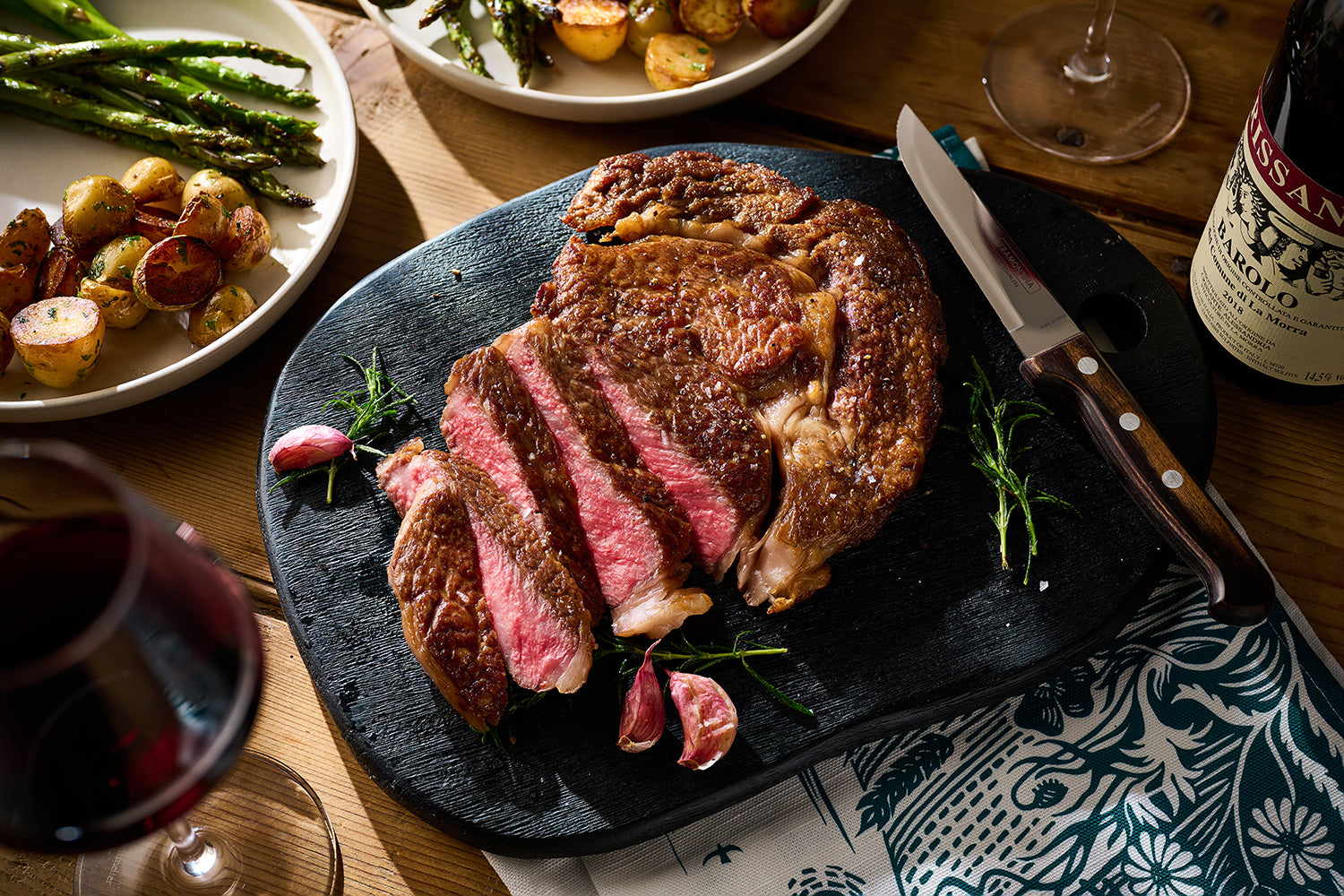
Taste may be the initial attraction, but texture defines Wagyu’s enduring appeal. The sensation of Wagyu on the tongue is unlike any other beef, often described as “buttery” or “silky.” This is a direct consequence of the marbling’s low melting point, which allows the fat to integrate seamlessly into each bite. The muscle fibers themselves are unusually fine, further contributing to tenderness that requires minimal effort to chew.
Texture, however, is not uniform across all Wagyu cuts. A rib cap delivers a pillow-like softness that dissolves quickly, while a sirloin maintains a firmer chew, providing a counterbalance to richness. Even lean cuts such as flank offer an unexpected tenderness compared with conventional beef, underscoring the breadth of textures available. Chefs often design menus that highlight these differences, guiding diners through a progression of cuts that tell a textural story as much as a flavorful one.
Texture also influences cooking technique. Wagyu often benefits from lighter preparations that respect its delicacy. High heat can cause the fat to render too quickly, leading to a greasy finish rather than a luscious one. Many chefs advocate for quick searing or gentle grilling, techniques that lock in Wagyu’s unique textural qualities while preserving the nuance of its marbling.
Cooking with Restraint
Preparing Wagyu requires a different philosophy from conventional beef. The goal is not to overwhelm with seasoning or complex marinades but to let the beef speak for itself. Salt, heat, and time are the primary tools. A simple sprinkling of sea salt and a quick sear on a hot skillet can reveal more depth than elaborate recipes ever could. This restraint reflects the belief that Wagyu’s complexity lies within, waiting to be unlocked rather than masked.
Portion control also becomes critical. Wagyu’s richness can fatigue the palate if consumed in large quantities, so smaller servings often provide a more enjoyable experience. Japanese dining culture exemplifies this principle, offering Wagyu as part of multi-course meals where a few ounces serve as a highlight rather than a mainstay. This approach ensures appreciation without excess.
Home cooks face the temptation of treating Wagyu like any other steak, but the results can disappoint if the beef is mishandled. Allowing the meat to come to room temperature before cooking, avoiding over-flipping, and resting the steak briefly are small but significant practices that preserve Wagyu’s luxurious integrity. The reward is a dish that mirrors restaurant-quality indulgence, achieved with restraint and respect for the ingredient.
Wagyu as a Cultural Symbol
Wagyu has transcended its role as mere food to become a cultural symbol of luxury, craftsmanship, and heritage. In Japan, its consumption is tied to rituals of hospitality and celebration, with particular cuts reserved for weddings, holidays, and formal gatherings. The reverence for Wagyu is not simply about flavor but about the social and cultural meanings embedded in its preparation and sharing.
Internationally, Wagyu functions as a marker of culinary sophistication. High-end restaurants highlight Wagyu on menus as a signal of exclusivity and quality, often commanding premium prices that reflect its rarity and prestige. The presence of Wagyu elevates not only the dish but the dining establishment itself, adding cachet to the culinary experience.
Beyond fine dining, Wagyu’s cultural status has expanded into broader consumer consciousness. Social media platforms frequently feature Wagyu as a subject of food photography and storytelling, further enhancing its mystique. Its journey from Japanese farms to global tables represents a narrative of tradition meeting modernity, making Wagyu both a product and a symbol of contemporary food culture.
Check Out Our Other Related Recipes
- Cooking for Aging Parents: Easy Recipes & Smart Tips for Elderly Nutrition
- 6 Delicious Meal Ideas Using Pantry Staples You Already Have
- Homemade Ice Cream Cookie Sandwiches with Amish-Made Charm
- Like
- Digg
- Del
- Tumblr
- VKontakte
- Buffer
- Love
- Odnoklassniki
- Meneame
- Blogger
- Amazon
- Yahoo Mail
- Gmail
- AOL
- Newsvine
- HackerNews
- Evernote
- MySpace
- Mail.ru
- Viadeo
- Line
- Comments
- Yummly
- Send in Text
- Viber
- Telegram
- Subscribe
- Skype
- Messenger
- Kakao
- LiveJournal
- Yammer
- Edgar
- Fintel
- Mix
- Instapaper
- Copy Link