
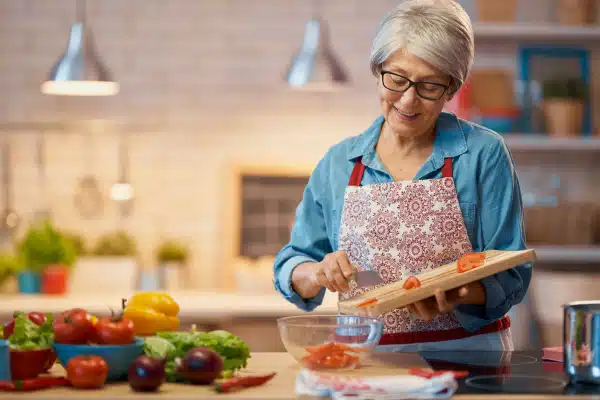
Feeding an aging parent can be a quiet act of love—something that shows up in the form of soft meals, smaller plates, and familiar flavors. As appetites shift and health needs become more nuanced, cooking becomes more than just a routine. You’re supporting memory, strength, and comfort.
But it’s not always easy. Taste preferences change. Dietary restrictions tighten. On some days, energy levels run low for both the cook and the person being cared for. Still, with a few adjustments and some planning, mealtimes can remain simple, nourishing, and even enjoyable.
Whether you’re prepping meals for a parent who lives with you or dropping off containers for the week ahead, the right approach can make a real difference.
Nutrition Needs of Aging Parents

As the body ages, it needs fewer calories, but it still relies on key nutrients. Protein helps maintain strength, calcium and vitamin D support bone health, and fiber helps keep digestion steady. Hydration matters more than ever, even if thirst cues fade.
One common challenge? A shrinking appetite. Medications, inactivity, and changes in taste or smell can all make food less appealing. That’s why nutrient density matters. A bowl of lentil soup offers more value than a handful of empty-calorie snacks.
Texture is also worth considering. Dental issues and dry mouth can make certain foods uncomfortable to eat. Smoothies, mashed vegetables, and soft scrambled eggs can be easier and more enjoyable. You don’t need to reinvent every meal—just pay attention to what works now.
Easy Recipes That Work for Seniors
Meals don’t need to be complicated to be comforting. Many seniors gravitate toward familiar flavors, mild seasoning, and soft textures. Think baked fish with steamed vegetables, hearty vegetable soup, or oatmeal with mashed banana and a little nut butter. Fresh herbs can significantly enhance flavor without the need for added salt.
Batch cooking is a smart move if you’re short on time. A slow cooker filled with shredded chicken, sweet potatoes, or lentils can stretch across multiple meals. Casseroles, stews, and pureed sides reheat well, taking some pressure off your day-to-day schedule.
For snacks, soft-boiled eggs, whole grain banana bread, and yogurt with fruit all make solid options. They’re easy to eat, full of nutrients, and gentle on the stomach. A fresh tomato salad with olive oil and herbs is another great addition—light, hydrating, and ideal for seniors who prefer smaller portions or simpler meals.
The goal isn’t perfection. It’s keeping food nourishing, manageable, and meaningful.
Kitchen Safety Tips When Cooking for the Elderly
Some aging parents still enjoy being part of the kitchen rhythm—stirring a pot, prepping a few ingredients, or simply keeping you company. However, as balance and dexterity change, the kitchen can quietly become a hazard zone.
A few small tweaks can make a big difference. Keep countertops clear. Add non-slip mats near the sink and stove to prevent slips and falls. Store everyday items within reach so there’s no need to stretch or stoop. If your parent helps out, use cutting boards with grips and utensils with wide, easy-to-hold handles.
Appliance choice matters, too. A countertop oven is often safer than a conventional stove. Electric kettles with auto-shutoff features and lightweight pots can reduce strain and risk.
Even if your parent isn’t cooking directly, a safer kitchen makes everyone feel more comfortable—and allows them to stay involved in their own way.
What to Watch for If a Loved One Moves Into a Care Facility
.jpg)
When a parent moves into a care facility, you hope their needs will be met with the same attention you gave at home. But that’s not always the case. Staying engaged—checking in, observing changes—matters more than most people realize.
One major red flag is the presence of bedsores, also known as pressure ulcers. These injuries develop when someone stays in the same position for too long without being moved. The pressure limits blood flow, causing damage to the skin and underlying tissue. They tend to appear on the tailbone, hips, or heels—anywhere bones press against the skin for long periods.
At first, they may appear to be mild irritation. But if ignored, they can break open into painful wounds that risk serious infection. According to the Mayo Clinic, bedsores can form quickly—sometimes in just a few hours—and are usually preventable with regular movement and thorough skin checks.
Poor nutrition makes the problem worse. Without sufficient protein, calories, or hydration, the skin becomes weaker and heals more slowly. If you notice your parent losing weight, skipping meals, or showing signs of dehydration, it could be part of a deeper problem, especially if pressure injuries start to appear.
Facilities are responsible for preventing this. That includes proper repositioning, clean bedding, attentive hygiene, and daily monitoring. When those basics aren’t happening, families may need to seek legal support for nursing home bedsores to get answers and protect their loved one.
Being present isn’t hovering. It’s how you make sure care actually happens.
Final Thoughts: Nourishment Is More Than a Meal
Feeding an aging parent goes far beyond the plate. It’s about comfort, dignity, and staying connected—even when circumstances change.
If your parent ends up in a care facility, your caregiving role doesn’t disappear. It just shifts. Sometimes that means showing up with homemade food. Sometimes it means noticing what’s missing.
These small gestures—a warm meal, a stocked freezer, a recipe that brings back a memory—carry more weight than we realize. And when meals are shared, even quietly, they have a way of grounding everyone at the table.
Check Out Our Other Related Recipes
- 6 Delicious Meal Ideas Using Pantry Staples You Already Have
- Homemade Ice Cream Cookie Sandwiches with Amish-Made Charm
- What Your Dog’s Diet Says About Your Health Philosophy
- Like
- Digg
- Del
- Tumblr
- VKontakte
- Buffer
- Love
- Odnoklassniki
- Meneame
- Blogger
- Amazon
- Yahoo Mail
- Gmail
- AOL
- Newsvine
- HackerNews
- Evernote
- MySpace
- Mail.ru
- Viadeo
- Line
- Comments
- Yummly
- Send in Text
- Viber
- Telegram
- Subscribe
- Skype
- Messenger
- Kakao
- LiveJournal
- Yammer
- Edgar
- Fintel
- Mix
- Instapaper
- Copy Link