

For years, we have been told that technology is the enemy of peace. We blame our smartphones for our short attention spans, our laptops for our late-night work stress, and social media for our anxiety. But today, the story has changed. We are no longer just victims of our devices; we are using them as powerful tools to reclaim our mental health. Technology has evolved from being a source of noise to becoming a “volume knob” for our stress.
From Stress-Maker to Stress-Breaker
The shift started when we stopped seeing phones as just communication devices and began seeing them as health monitors. In the past, if you felt anxious, you might not realize it until you had a headache or felt completely exhausted. Today, our devices act as an early warning system.
Tracking your mood or your stress levels has become as normal as checking the weather before you leave the house. This shift is transformative because it moves us from “reacting” to stress to “managing” it before it takes over.
How Your Devices “Read” Your Body
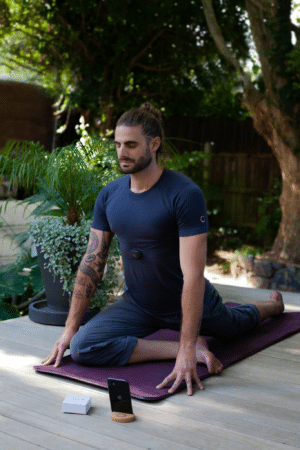
The most impressive part of this revolution is how our gadgets connect to our physical bodies. Smartwatches and rings now track your heart rate, skin temperature, and even the electrical signals on your skin. By monitoring these metrics, your watch can often catch a stress spike before your mind even registers it.
When your device senses that your “fight or flight” system is working too hard, it can nudge you with a gentle vibration or a calming sound to reset your nervous system.
To make these changes stick, many people use the best apps for habits to schedule regular “breathing breaks” or “movement minutes.” This data helps you learn the “numbers” of your own heart. When you see that your stress is high, you no longer feel like a failure; you simply see it as a signal that it is time to take a break.
Escaping to Virtual Peaceful Places
Sometimes, the stress comes from our environment. If you live in a loud, crowded city, finding a quiet place to relax can feel impossible. This is where Virtual Reality (VR) and high-quality digital simulations come in. With a VR headset, you can “visit” a silent forest, a sunny beach, or a mountain top from your small living room.
These aren’t just pretty pictures. Studies show that our brains respond to these digital “nature” scenes in a way that is very similar to being in real nature. For beginners who find it hard to sit still and meditate, these immersive environments make it much easier. The digital world provides a “sacred space” where the distractions of the real world cannot reach you, helping you find a moment of stillness in a busy day.
Having a 24/7 Helper in Your Pocket
Artificial Intelligence has also become a major player in stress management. We now have AI helpers that learn our specific habits.
For instance, an AI might notice that you type faster and use shorter sentences when you are stressed. It might see that you didn’t sleep well and predict that you will be more irritable the next day.
Having this 24/7 helper is incredibly useful, especially at 3:00 AM when you might feel completely alone with your thoughts. These AI tools use proven psychology methods to talk you through a hard moment.
They don’t just give generic advice; they build a “plan for peace” that is made just for you, based on what has helped you feel better in the past.
Not Getting Lost in the Data
However, we must be careful. There is a risk of falling into the “data stress” trap. If you check your stress scores every five minutes, the act of monitoring your anxiety can actually make you more anxious. We have to remember that technology is a bridge to help us get back to the “real world,” not a place where we should live forever.
The goal of using a stress-tracking app is to eventually learn how to feel those signals in your own body without needing the phone. Digital literacy today means knowing when to use the tool and knowing when to turn everything off, put the phone in a drawer, and just breathe.
Common Myths About Tech and Stress
There are many misunderstandings about how technology interacts with our mental health. Here are two of the most frequent myths:
- “It’s just a distraction”: Many people believe that using an app to relax is just another way to avoid reality. However, there is a massive difference between “numbing out” by scrolling through social media and “tuning in” with a guided regulation app. While scrolling drains your energy, active regulation restores it.
- “Technology isn’t natural”: While gadgets are man-made, they often act as a mirror for our biology. These tools reflect what is happening inside our bodies in real-time, helping us get back in sync with our natural rhythms. Instead of replacing nature, they help us understand our own nature better.
Taking Control of Your Calm
We are entering a future where mental health tools will be built into almost every device we own. This doesn’t mean we will be “fixed” by machines, but it means we will have better support than ever before.
Technology is providing the tools, but you are the one doing the actual healing. We are moving away from a world where we just try to “survive” stress.
Instead, we are using innovation to master our internal worlds, finding peace in a high-tech age.
Check Out Our Related Blogs
- Like
- Digg
- Del
- Tumblr
- VKontakte
- Buffer
- Love
- Odnoklassniki
- Meneame
- Blogger
- Amazon
- Yahoo Mail
- Gmail
- AOL
- Newsvine
- HackerNews
- Evernote
- MySpace
- Mail.ru
- Viadeo
- Line
- Comments
- Yummly
- Send in Text
- Viber
- Telegram
- Subscribe
- Skype
- Messenger
- Kakao
- LiveJournal
- Yammer
- Edgar
- Fintel
- Mix
- Instapaper
- Copy Link