

The most significant source of plastic pollution in our oceans today is cigarette butts. The filters on traditional cigarettes are made of cellulose acetate, a type of plastic that can take over a decade to decompose. Over 5 trillion cigarettes are produced each year, with nearly two-thirds disposed of irresponsibly.
While vaping products and supplies, including vape pods, batteries, coils, and e-liquid bottles, produce a fraction of the waste compared to traditional smoking, poorly drafted legislation and limited recycling knowledge mean environmental damage remains a major concern. However, there are several crucial steps individuals can take to minimise their impact while still indulging in their habit.

Reusable Vapes
Single-use vapes have boomed in popularity over the past two years, with vast numbers of different flavors and strengths available on the market, expanding almost monthly. These vapes are specifically designed to be used once and disposed of when either the e-liquid is finished or the battery runs out. They cannot be refilled or recharged, and the coils cannot be replaced.
In terms of convenience, disposable vapes are a popular choice for anyone looking for a quick, easy option for a night out or a weekend away. However, they are extremely harmful to the environment. Because of how they are built, they are incredibly difficult to recycle, often ending up in landfills and polluting surrounding soil and water sources. Additionally, each disposable vape is fitted with a lithium battery, and the increased production of these devices means greater lithium mining, an energy- and chemical-intensive process that is incredibly damaging to the environment.
Refillable Tanks
Pre-filled pods and cartridges are easy and convenient to use. However, this ease and convenience come at a price, as they quickly become a significant source of vape pollution because they cannot be recycled.
However, modern refillable devices are not complicated to use, with many popular models simply having a twistable top that can be removed for easy filling. Not only will this reduce the amount of plastic, metal, and glass needed to produce these disposable components, but it is also cheaper to buy the liquid separately and refill your device at home.
Recycle Supplies
While it is not possible to recycle every part of a vape device, key components and supplies can be recycled effectively. Batteries are one of the most essential parts of a vape to recycle. There are two types of vaping batteries. The first is easily removable for recycling, while the others are built into the body of your vape and can only be removed by completely dismantling the device.
All batteries have a limited lifespan, and by opting for a vape with a replaceable battery, you can remove it and properly recycle it when it reaches the end of its life. Some suppliers have a return policy in place that allows customers to return any battery that needs to be replaced. Alternatively, you can drop them off in the appropriate recycling bins at your local recycling center or supermarket.
Plastic bottles, however, are trickier to recycle as the information surrounding this is somewhat conflicting. Some sources claim that e-liquid bottles cannot be recycled due to the presence of nicotine, while others, including local authorities and recycling firms, advise that they can be recycled after thorough cleaning and drying.
Reduce Power Usage
A simple yet effective way to make your vape usage more sustainable is to reduce your power consumption. This can be done in two simple ways. Firstly, you can reduce the frequency with which you vape. Not only will this be better for your health, but it will extend the life of each battery charge and reduce the number of times it needs to be charged.
Secondly, you can turn off the device when not in use. This will help to save battery life when you are not using it and will prevent the vape from accidentally firing or overheating while being carried in your pocket or bag.
Shop Locally
An effective way to reduce the ‘air miles’ and carbon emissions of your purchases is to shop locally and choose devices, e-liquids, and supplies produced locally. In most major countries, including the US and the UK, locally made products can be purchased, dramatically reducing the distance and resources needed to get them from the manufacturer to the consumer.
Ensure you don’t fall victim to false advertising or clever marketing tricks that make it appear as if products are locally produced, but in fact come from an overseas supplier. When in doubt, contact the company directly to enquire about where their e-liquids and devices are created.
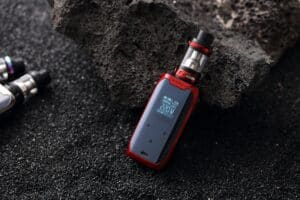
Eco-Friendly Suppliers
There has never been a greater emphasis on sustainability in the retail industry than there is today. More and more consumers are forcing companies worldwide to adopt eco-friendly practices and manufacturing policies to remain competitive in their industries, and the vaping world is no different.
Several brands are setting new standards by utilizing recyclable packaging and fitting their vape devices with 100% biodegradable filter tips. One such company is Innokin, which, alongside its green manufacturing policies, has partnered with One Tree Planted to help replant the Amazon rainforest and has pledged to achieve long-term carbon-neutral status. Additionally, they have partnered with France to establish programs for collecting, processing, and recycling lithium batteries and other electronic waste, with plans to implement a similar scheme in the UK.
Check Out Our Recent Blogs
- How Technology Is Transforming the Way People Manage Stress and Anxiety
- Simple Mindful Parenting Tips for Everyday Calm
- Like
- Digg
- Del
- Tumblr
- VKontakte
- Buffer
- Love
- Odnoklassniki
- Meneame
- Blogger
- Amazon
- Yahoo Mail
- Gmail
- AOL
- Newsvine
- HackerNews
- Evernote
- MySpace
- Mail.ru
- Viadeo
- Line
- Comments
- Yummly
- Send in Text
- Viber
- Telegram
- Subscribe
- Skype
- Messenger
- Kakao
- LiveJournal
- Yammer
- Edgar
- Fintel
- Mix
- Instapaper
- Copy Link