
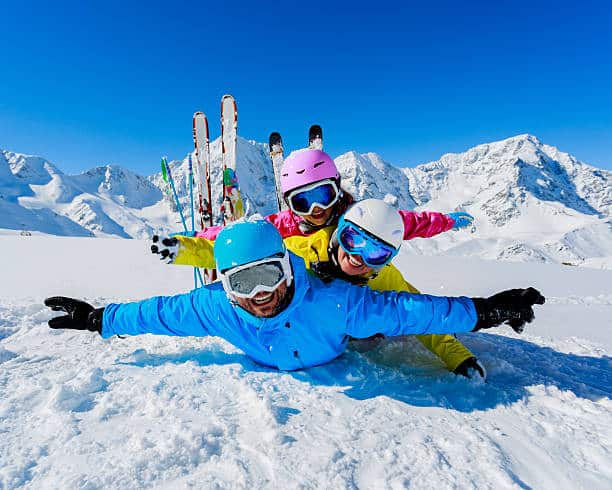
Winter holidays are some of the most exciting times of the year, especially if your plans include skiing, snowboarding, or exploring snowy landscapes. But with all that bright, reflective terrain and shifting weather, protecting your eyes becomes more important than many travelers realize. The right eyewear keeps your vision sharp, shields you from harsh conditions, and helps you enjoy every moment without discomfort or strain.
Cold winds, freezing temperatures, and powerful glare can make visibility challenging, even for experienced winter travelers. Snow glasses create a protective barrier that helps you see clearly, stay comfortable, and move confidently through winter environments. This article walks you through everything you need to know to choose the perfect pair for your holiday adventures.
What Conditions Should You Prepare for in Winter Environments?
When you head into snowy terrain, your eyes face a combination of brightness, reflection, and unpredictable weather. Understanding these conditions helps you pick eyewear that can handle every challenge the mountains throw your way.
Why Does High Altitude Increase UV Exposure?
UV radiation grows stronger as elevation rises. Because the air thins out the higher you go, fewer natural filters stand between your eyes and the sun, making strong UV protection essential for safe winter travel.
How Does Snow Reflection Affect Visibility?
Snow acts like a mirror, bouncing intense light directly into your eyes. This reflection can feel blinding at times, especially on clear days, and it can quickly cause eye fatigue if you are not wearing proper protection, such as premium snow glasses.
How Do Changing Weather Conditions Impact What You See?
Mountain weather shifts fast. One moment, the sky is bright, and the next, you are surrounded by clouds, fog, or falling snow. The right eyewear helps you adjust smoothly through these variations without compromising clarity.
What Key Features Should You Look for in Snow Glasses?
Snow glasses work best when they balance protection, comfort, and durability. Each feature plays a role in keeping your view unobstructed throughout your trip.
Why Is Strong UV Protection Non-Negotiable?
High-quality UV protection shields your eyes from harmful rays that bounce off snow and ice. Without proper coverage, extended exposure can lead to long-term damage.
How Does Polarization Improve Your View?
Polarized lenses filter the harsh glare that reflects off bright surfaces. They help you track terrain details more accurately, which is particularly helpful when skiing or hiking through unfamiliar paths.
Why Does Anti-Fog Coating Matter?
Cold temperatures mixed with body heat can cause fogging, especially during active movement. Anti-fog coating keeps your lenses clear so you are never squinting or adjusting your eyewear mid-run.
How Do Lightweight, Durable Frames Improve Comfort?
Frames made from strong yet light materials feel comfortable for long hours and hold up well against accidental bumps or drops. The right design supports both performance and reliability.
Which Lens Tint Should You Choose for Winter Activities?
Lens tint affects how well you see in different lighting conditions. Matching the right shade to the right weather makes a noticeable difference in clarity and comfort.
What Works Best on Bright, Sunny Days?
Darker or mirrored tints help soften intense brightness and reduce glare. They keep your eyes relaxed even when the sun reflects heavily off snowy surfaces.
Which Tints Are Ideal for Cloudy or Mixed Conditions?
Amber or rose lenses increase contrast, making it easier to distinguish slopes, obstacles, and textures when visibility is inconsistent.
What Should You Wear in Low-Light Situations?
Lighter tints or clear lenses allow more light to pass through, helping you see clearly during late afternoons, overcast days, or shaded areas on the mountain.
How Can You Ensure a Secure and Comfortable Fit?
Comfort plays a huge part in how well your eyewear performs. If your snow glasses fit well, they stay in place and feel natural even during active movement.
Why Is a Secure Fit Important?
When skiing, snowshoeing, or walking through icy trails, your eyewear should remain steady without slipping. A firm but gentle grip ensures your vision stays consistent.
How Do Nose Pads and Grips Help?
Soft, adjustable nose pads and temple grips prevent sliding when you move or sweat. They keep your eyewear balanced and comfortable all day long.
What Does a Wraparound Design Offer?
Wraparound frames extend coverage to the sides of your face, blocking wind, snow, and cold drafts. This added protection keeps your eyes warm and shields you from peripheral glare.
How Do Ventilation and Anti-Fog Systems Enhance Visibility?
Fogging is one of the most common frustrations in winter sports. Good ventilation and proper coatings work together to maintain clear vision throughout your activities.
What Does Lens Venting Do?
Small vents near the lenses help circulate air, reducing the moisture buildup that causes fogging in cold environments.
How Does Frame Airflow Improve Comfort?
Frames designed with airflow channels allow warm air to escape. This prevents condensation from forming and keeps your view unobstructed.
How Effective Are Anti-Fog Treatments?
Special coatings add an extra layer of fog resistance, ensuring that even during intense activity, your lenses remain clear.

How Important Is Durability When Choosing Snow Glasses?
Winter sports can be demanding, so your eyewear should be tough enough to withstand every bump, fall, and sudden change in temperature.
Why Choose Impact-Resistant Lenses?
Impact-resistant lenses are designed to handle the occasional tumble without cracking. They protect your eyes from small collisions and accidental drops.
How Does Scratch-Resistance Extend the Life of Your Glasses?
A scratch-resistant coating prevents surface marks that can interfere with visibility. It keeps your lenses looking new even after long trips.
Why Do UV-Stable Frame Materials Matter?
Frames that resist UV damage maintain their structure and color, even after long exposure to sunlight. This increases longevity and performance.
How Do Style and Function Work Together in Snow Eyewear?
Good winter eyewear balances protective features with a stylish appearance. You should feel confident wearing them whether you are on the slopes or relaxing at a lodge.
What Makes the Sporty Wraparound Look So Popular?
Wraparound frames create a streamlined silhouette while offering full coverage. They combine practicality with a sharp, modern style.
Can Snow Glasses Look Good and Still Perform Well?
Absolutely. Many high-quality designs blend fashion with performance, giving you both protection and visual appeal in one piece.
How Does Frame Size Affect Comfort?
Picking the right size helps prevent pressure points and ensures proper coverage. A well-fitting frame enhances your overall experience in the snow.
Conclusion
Choosing snow eyewear carefully gives you clearer vision, better comfort, and safer travel throughout your winter adventures. Features like UV protection, polarization, the right tint, and durable construction play meaningful roles in how enjoyable your trip becomes.
Before buying, take time to consider fit, performance, and protection so your winter holidays feel secure, comfortable, and visually effortless.
Check Out Our Related DIY Blogs
- Signs It’s Time to Install New Replacement Windows and Upgrade Your Terrace Door
- Clear Acrylic Sheets vs Glass: Strength and Safety Guide
- Outdoor Furniture Inspiration From The UAE – Stylish And Heat-Resistant Ideas
- Like
- Digg
- Del
- Tumblr
- VKontakte
- Buffer
- Love
- Odnoklassniki
- Meneame
- Blogger
- Amazon
- Yahoo Mail
- Gmail
- AOL
- Newsvine
- HackerNews
- Evernote
- MySpace
- Mail.ru
- Viadeo
- Line
- Comments
- Yummly
- Send in Text
- Viber
- Telegram
- Subscribe
- Skype
- Messenger
- Kakao
- LiveJournal
- Yammer
- Edgar
- Fintel
- Mix
- Instapaper
- Copy Link