
There’s
unique kind
freedom that comes with packing up your car and heading out on your own.
schedules to
no compromises to make, just you, the road, and the ability to decide where to stop and when to move on.
Solo car camping has become an appealing way to travel for those looking to disconnect, explore new places, and enjoy a sense of independence that’s hard to find elsewhere.
That said, heading out alone requires a bit more preparation than a typical weekend getaway. From safety considerations to comfort and logistics, having a solid plan in place can make the difference between a stressful trip and a rewarding one. Here’s what you need to know before you go.
Preparing Your Vehicle for Solo Travel
Your car is more than just transportation on a solo camping trip; it’s your base, your storage space, and in many cases, your shelter. Before setting off, it’s worth taking time to make sure everything is in good working condition.
Start with the basics. Check your tires, fluids, and battery to reduce the risk of breakdowns. Make sure your spare tire and tools are accessible. Even if you’re planning a short trip, being prepared for small issues can save you from bigger problems later.
Beyond maintenance, think about how you’ll organize your space. A well-arranged vehicle makes daily routines easier and helps you stay focused on the experience rather than constantly searching for gear.
- Keep essential items within reach
- Store food separately from sleeping gear
- Use bins or bags to group similar items
The goal is to create a setup that feels intuitive and easy to manage, especially when you’re handling everything on your own.
Choosing the Right Sleeping Setup
One of the biggest decisions in solo car camping is how you’ll sleep. Comfort and security both matter here, particularly when you’re traveling alone.
There are a few common approaches:
Sleeping Inside the Vehicle
For SUVs and larger cars, folding down the seats can create a flat surface for a mattress or sleeping pad. This option keeps you enclosed and can feel more secure in certain environments.
Ground Tents
Traditional tents are widely used and easy to pack, but they require setup time and depend on finding suitable terrain.
Rooftop Tents
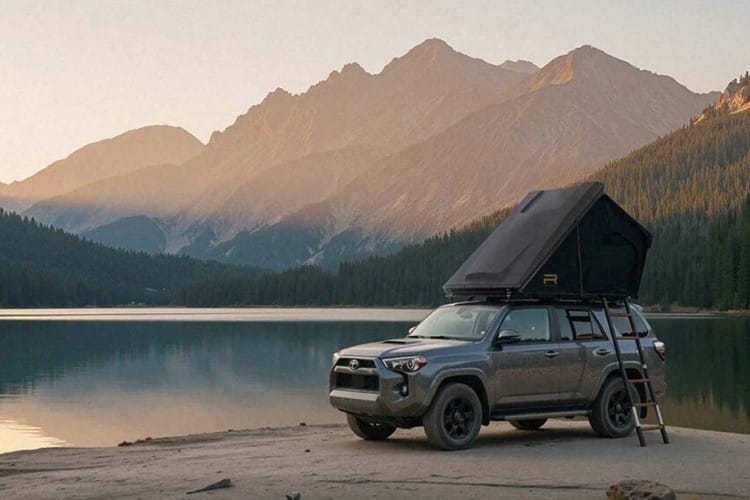
Many solo travelers are opting for rooftop tents as a practical middle ground. These setups keep you elevated, reduce setup time, and provide a consistent sleeping surface regardless of the ground conditions. Brands like Roofnest are often mentioned in this space for offering options designed with vehicle-based travel in mind.
Whichever option you choose, test it before your trip. A night spent adjusting your setup at home can prevent frustration later on.
Packing Smart for Independence
When you’re traveling alone, every item you bring should serve a purpose. Overpacking can make your space feel cramped, while underpacking can leave you unprepared.
Focus on essentials that support both safety and comfort:
- Water and Food Supplies: Always carry more than you think you’ll need
- Cooking Equipment: A compact stove and basic utensils
- Lighting: Headlamps or lanterns for visibility after dark
- Navigation Tools: Offline maps or GPS devices
- Emergency Kit: First aid supplies, flashlight, and basic tools
It’s also helpful to keep a small bag of personal items, like toiletries and a change of clothes, easily accessible. This makes quick stops more convenient and helps you stay organized.
Creating a Setup That Works for You
Comfort might not seem like a priority when planning a solo trip, but it plays a major role in how much you enjoy the experience. A thoughtful setup allows you to relax, recharge, and fully appreciate your surroundings.
This is where more streamlined solutions can make a difference. For example, having a sleeping system that’s quick to set up can reduce stress at the end of a long day. Many travelers explore options from Roofnest when looking for rooftop tents that simplify their setup and provide a consistent place to rest.
Beyond your sleeping arrangement, consider small touches that improve your experience:
- A comfortable chair for relaxing outside
- Simple meal prep options to avoid unnecessary hassle
- Organized storage to keep your space tidy
These details may seem minor, but they can have a significant impact on your overall trip.

Prioritizing Safety While Traveling Alone
Safety is often the biggest concern for solo travelers, and for good reason. The key is to stay aware without letting fear limit your experience.
Start by choosing your campsites carefully. Established campgrounds or well-known dispersed camping areas are often a good place to begin. As you gain experience, you may feel more comfortable exploring more remote locations.
Other safety practices to keep in mind include:
- Sharing your itinerary with a trusted contact
- Arriving at your campsite before dark whenever possible
- Keeping your phone charged and accessible
- Trusting your instincts if a location doesn’t feel right
Your environment will change from trip to trip, so staying adaptable is just as important as being prepared.
Building Confidence Through Experience
Solo car camping can feel intimidating at first, but confidence grows quickly with experience. Your first trip doesn’t need to be perfect. In fact, it’s often the small challenges that teach you the most.
Start with shorter trips close to home. This allows you to test your setup and refine your approach without committing to a long journey. As you become more comfortable, you can expand your range and explore more remote destinations.
It’s also helpful to reflect on each trip. Think about what worked well and what could be improved. Over time, you’ll develop a system that feels natural and reliable.
Final Thoughts
Car camping alone offers a level of independence that’s hard to match. With the right preparation, it can be a safe, comfortable, and deeply rewarding way to travel. By focusing on your vehicle setup, packing thoughtfully, and prioritizing safety, you can create an experience that feels both manageable and exciting.
The key is to start simple and build from there. Each trip adds to your confidence and helps you better understand what you need on the road. With time, solo car camping can become less about planning and more about enjoying the freedom to go wherever the journey takes you.
Check Out Our Related DIY Blogs
- The Ultimate Crafting Kit for DIY Gift Makers
- From Garage Projects to Pro Jobs: The Best Sugar Scoop Welding Hoods You Can Buy Online
- Probiotics for Dogs: What They Do, Who Needs Them, and When to Skip
- Like
- Digg
- Del
- Tumblr
- VKontakte
- Buffer
- Love
- Odnoklassniki
- Meneame
- Blogger
- Amazon
- Yahoo Mail
- Gmail
- AOL
- Newsvine
- HackerNews
- Evernote
- MySpace
- Mail.ru
- Viadeo
- Line
- Comments
- Yummly
- Send in Text
- Viber
- Telegram
- Subscribe
- Skype
- Messenger
- Kakao
- LiveJournal
- Yammer
- Edgar
- Fintel
- Mix
- Instapaper
- Copy Link