

Cast iron tea sets are loved for their durability, excellent heat retention, and classic appearance. A good cast iron teapot can keep tea warm for a long time, making it ideal for slow tea sessions, family gatherings, or quiet afternoons at home. In addition to its practical benefits, cast iron is also valued for its potential health-related qualities. It may release trace amounts of iron ions and help reduce chlorine ions in the water, which can improve water quality, create a smoother taste, and support a healthier tea-drinking experience.
However, cast iron requires proper care. Because it is sensitive to moisture, leaving water or tea inside the teapot for too long may cause rust over time. With the right habits of cleaning, drying, and storage, your cast iron tea set can remain beautiful, practical, and rust-free for years.
1. Prepare Before the First Use
Rinse a new cast iron teapot or cups with warm water before use. This will wash away any dust that has accumulated during storage, packaging, or transportation. Do not use soap, detergents, or any harsh cleaning product that could affect the interior lacquer coating or leave a bad smell.
After rinsing, drain and wipe dry each pieces with a soft cloth. Leave the teapot lid open for a while to allow the inside to air dry completely. This first step prepares the tea set for its first brew and and helps prevent moisture from staying inside before use.
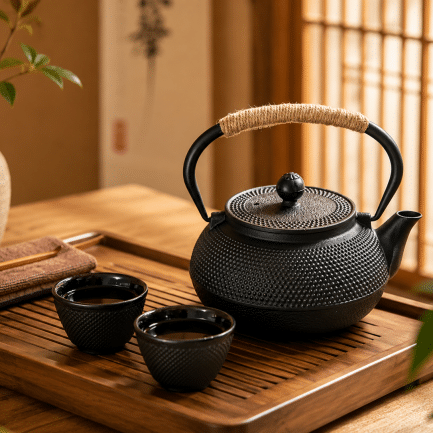
2. Brew Tea the Right Way
Cast Iron Tea Sets are especially suitable for brewing tea because they retain heat well and help maintain a stable steeping temperature. This is useful for teas such as black tea, oolong tea, herbal tea, and floral blends. Green tea can also be brewed in a cast iron teapot, but it is better to use slightly cooler water to avoid bitterness.
Before brewing, you can preheat the teapot by pouring in hot water and letting it sit for one or two minutes. Then pour the water out, add your tea leaves, and fill the pot with fresh hot water. If your teapot has an infuser basket, place the loose tea leaves inside it for easier removal. After the tea has steeped, remove the infuser or pour out the tea to prevent over-brewing. Leaving tea leaves inside for too long can make the tea taste bitter and may also leave stains or moisture inside the pot.
3. Clean Gently After Each Use
After brewing, empty the remaining tea and remove the used tea leaves. Rinse the teapot and cups with warm water only. For daily cleaning, soap is usually not necessary. A soft cloth or sponge is enough to clean the surface gently.
Avoid using steel wool, abrasive brushes, bleach, or strong detergents. These may scratch the surface or damage the lining. The dishwasher should also be avoided, as long washing cycles and strong cleaning agents can increase the risk of damage.

4. Dry Thoroughly to Prevent Rust
Maintaining cast iron teaware is definitely simpler than you might imagine; the key is “drying”! After rinsing, take a clean, dry cloth and wipe down both the inside and outside of the teapot. Make sure to pay extra attention to certain areas – the lid, the spout, the rim, the handle, and the bottom. These spots tend to hold water, which can cause rust if not properly dried.
After wiping the teapot clean, do not put the lid on immediately—leave it open for a while to allow air circulation so that it can air dry naturally. One thing you can try is putting a dry paper towel inside the teapot to soak up any extra moisture. Alternatively, you can put it back on the stove and dry-heat it over low heat until you can no longer see any wet water marks on the inner wall. Then turn off the heat and let the residual heat evaporate the moisture hidden in the pores of the iron kettle.

5. Store in a Dry Environment
Keep your cast iron tea set in a cool, dry place to avoid damp and humid conditions. Don’t put it near the sinks, window sills or other damp areas. Good air circulation around the teapot and cups will help prevent moisture forming and will keep your tea set in perfect condition for daily use.
6. Handle Rust Properly
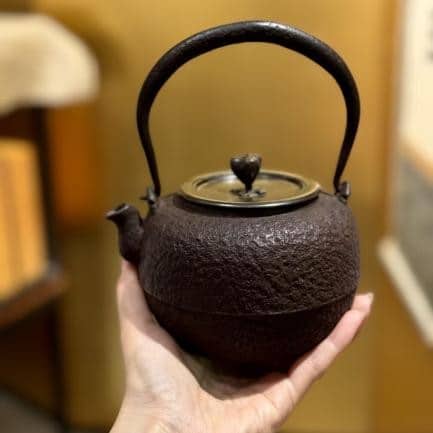
Minor external rust can usually be removed gently. Wipe the rust with a soft cloth or brush dampened with warm water, then dry thoroughly. After cleaning and drying, you can apply a thin layer of food-grade cooking oil. Wipe away any excess oil so the teapot does not feel greasy or sticky. This helps protect the outer iron surface from moisture corrosion.
If rust appears inside the teapot, check whether the lacquer coating has been damaged. Clean it gently and avoid aggressive scraping. If the liner coating is damaged or the rust has spread, it is best to temporarily stop using the teapot for brewing tea until you can confirm that it is still safe to use.
7. Habits to Avoid
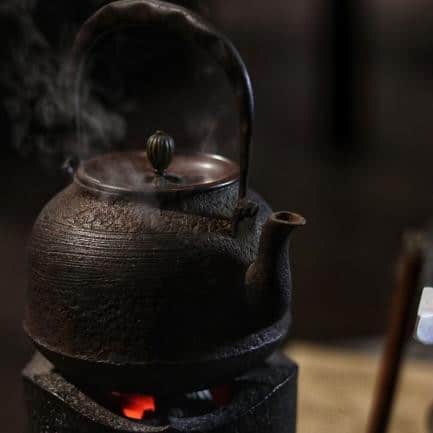
Never leave tea leaves or water in the teapot overnight. Because cast iron kettles have no chemical coating, prolonged soaking in water will cause the most undesirable result: rusting and damage.
Do not use strong cleaning agents, especially citric acid, as citric acid is acidic and may corrode the inner wall, reacting with iron and causing rust. Do not pour cold water into a boiling kettle suddenly, as the sudden temperature change may damage the enamel coating and cause rust.
The key to preventing rust is simple: rinse gently, dry thoroughly, and store the tea set in a dry place. Once these habits become part of your routine, maintaining Cast Iron Tea Sets becomes easy. A well-maintained cast iron tea set can be lasts for years in the life of your tea drinking tradition. With proper care, your cast iron tea set can stay functional, attractive, and ready for many cups of tea in the years to come.
Check Out Our Recent Blogs
- Florida Cannabis Store: Red Flags New Patients Should Notice
- The Best Hypoallergenic Comforter Sets for All-Year-Round Use in 2026
- The Hidden Checklist Behind a Stress-Free Home Sale
- Like
- Digg
- Del
- Tumblr
- VKontakte
- Buffer
- Love
- Odnoklassniki
- Meneame
- Blogger
- Amazon
- Yahoo Mail
- Gmail
- AOL
- Newsvine
- HackerNews
- Evernote
- MySpace
- Mail.ru
- Viadeo
- Line
- Comments
- Yummly
- Send in Text
- Viber
- Telegram
- Subscribe
- Skype
- Messenger
- Kakao
- LiveJournal
- Yammer
- Edgar
- Fintel
- Mix
- Instapaper
- Copy Link